Mod’ponics
Hydroponics . User needs . Materiality
The Project
Food is a human right not a privilege, and climate change is getting in the way.
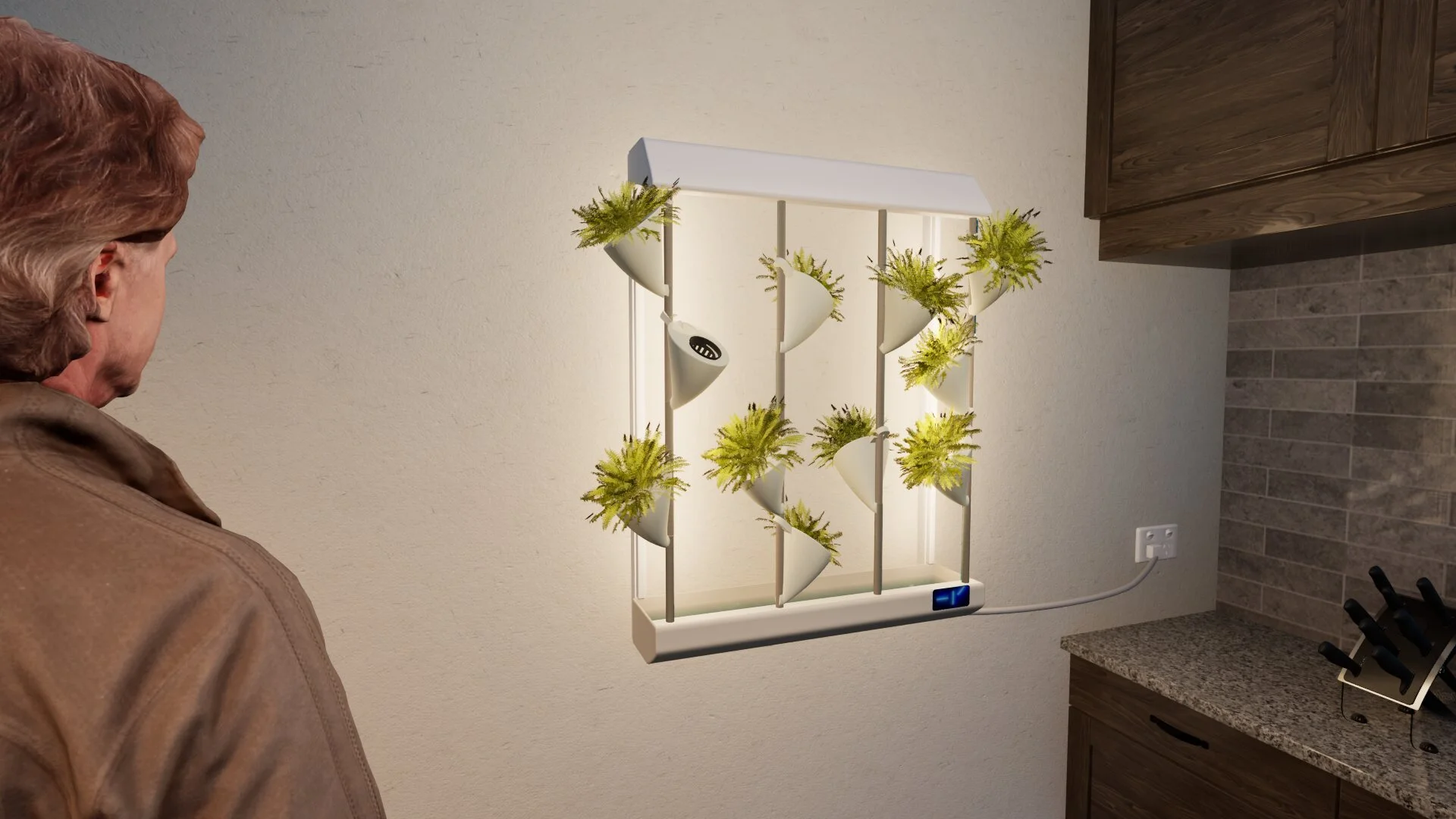
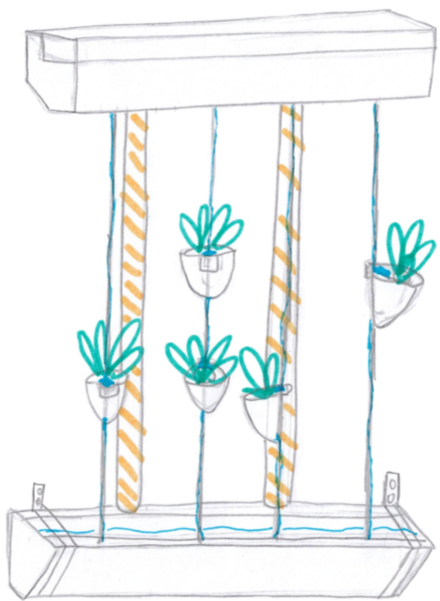
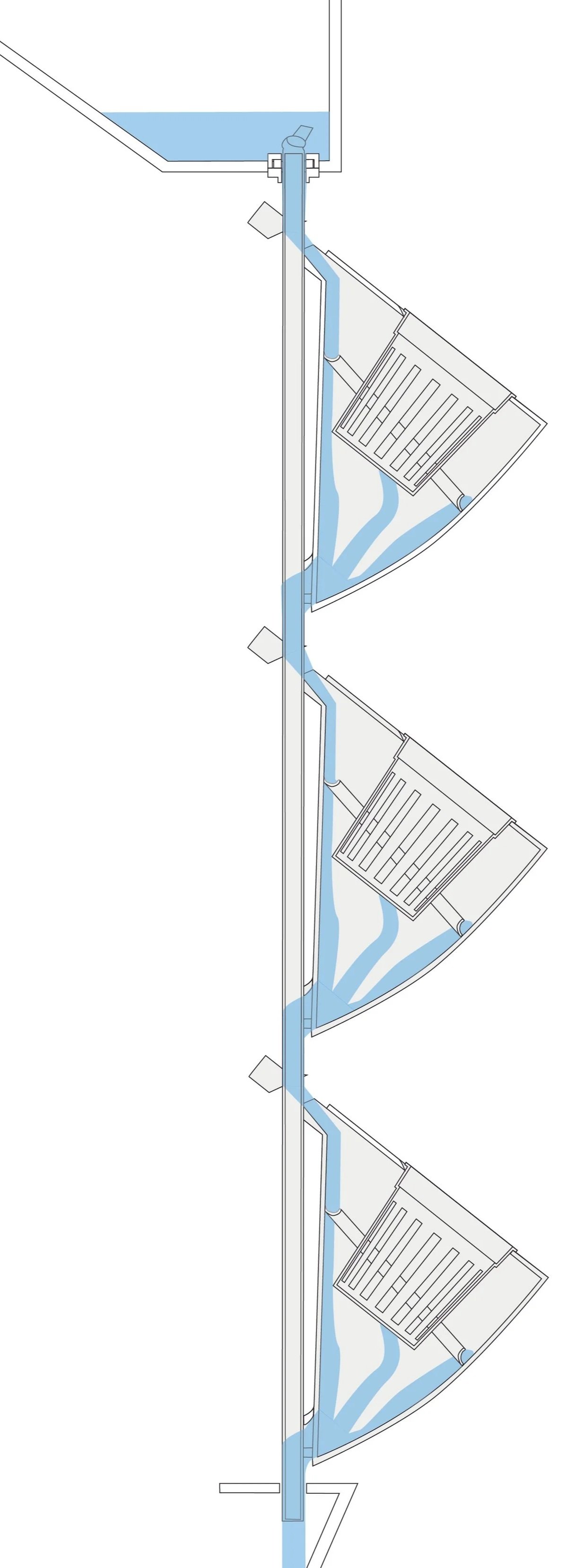
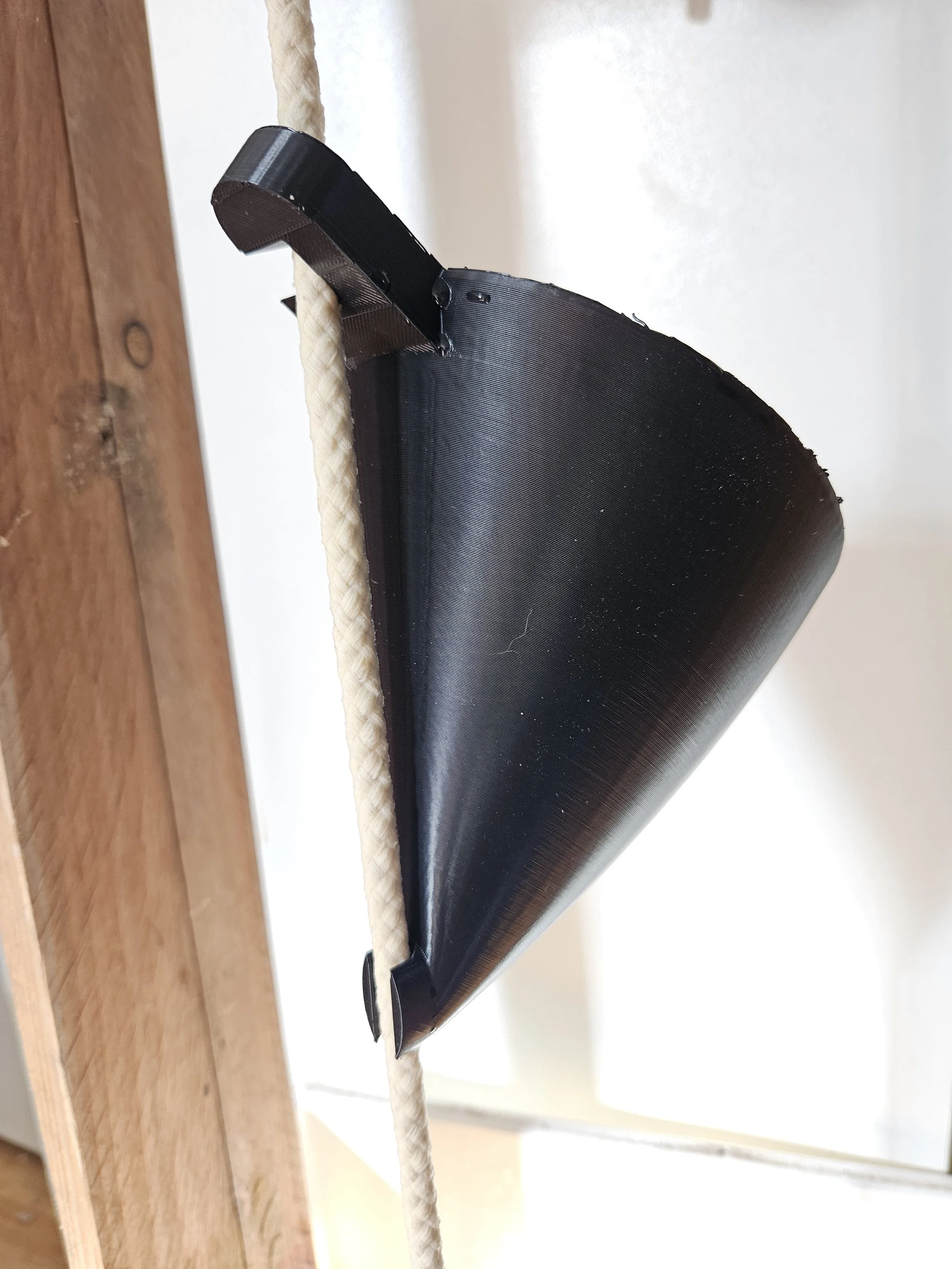
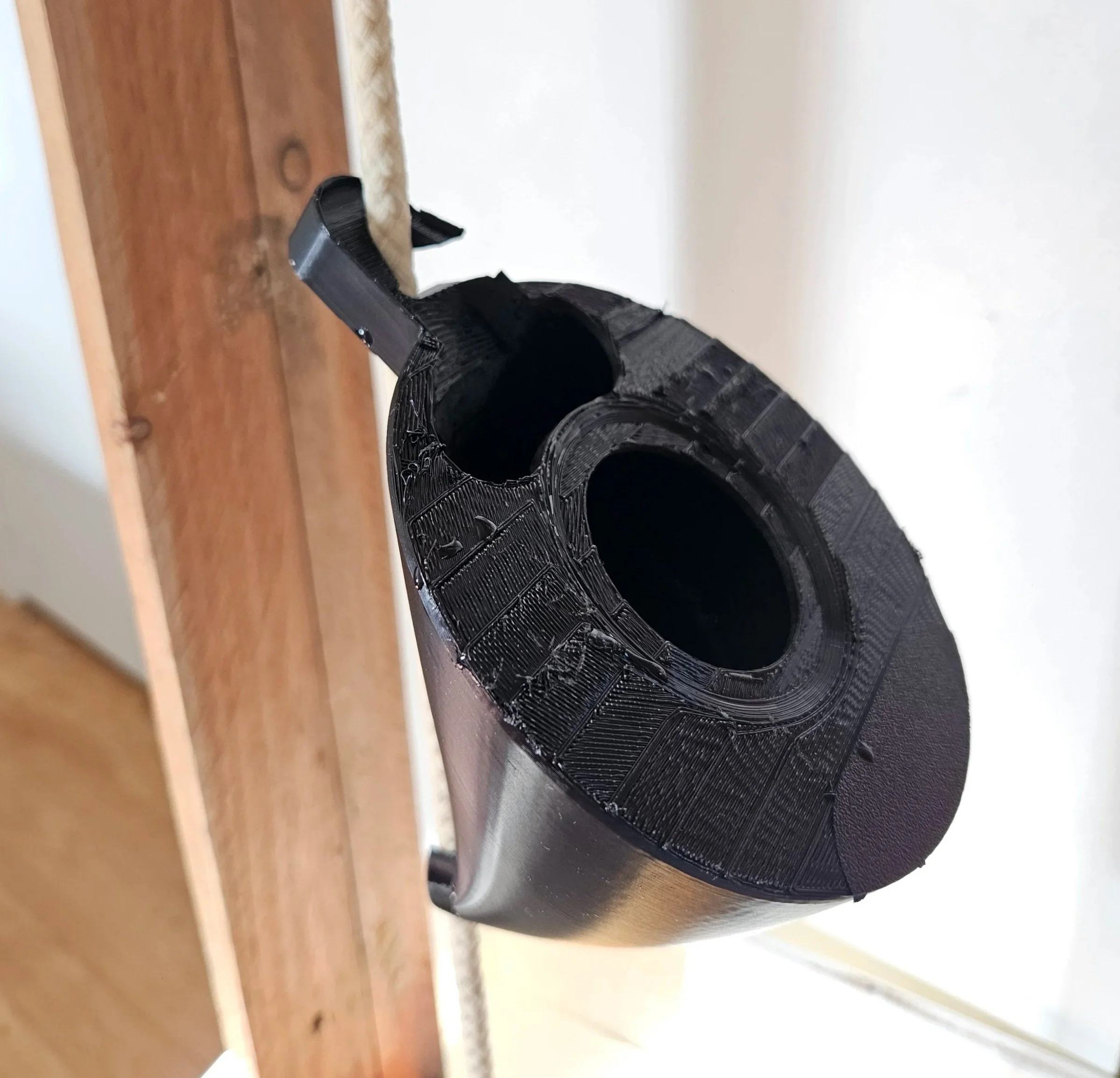
Mod’ponics gives Australian’s back control over their access to fresh nutritional foods making Australian’s more resilient to the increasingly devastation affects of climate change. The modular system uses plant pods that can be quickly and easily positioned anywhere along the wicking ropes without disassembly. It’s built onto a frame that can be easily mounted to the wall and positioned anywhere near a power and water source.
The Problem
Climate change is a wicked problem. It affects everyone and everything and has no one clear solution. It impacts all aspects of food and agriculture, like food availability, access, utilisation and stability. This increasingly unpredictable food supply causes increased food prices and encourages people to choose less nutritional food. It means that millions of Australian’s are going to bed hungry.
However, home hydroponics can help give Australian’s control over their fresh nutritional foods.
Hydroponics is a type of soilless agricultural system that uses nutrient rich water delivered straight to the plants roots. It is highly regarded as a water and space saving system and the farming of the future.
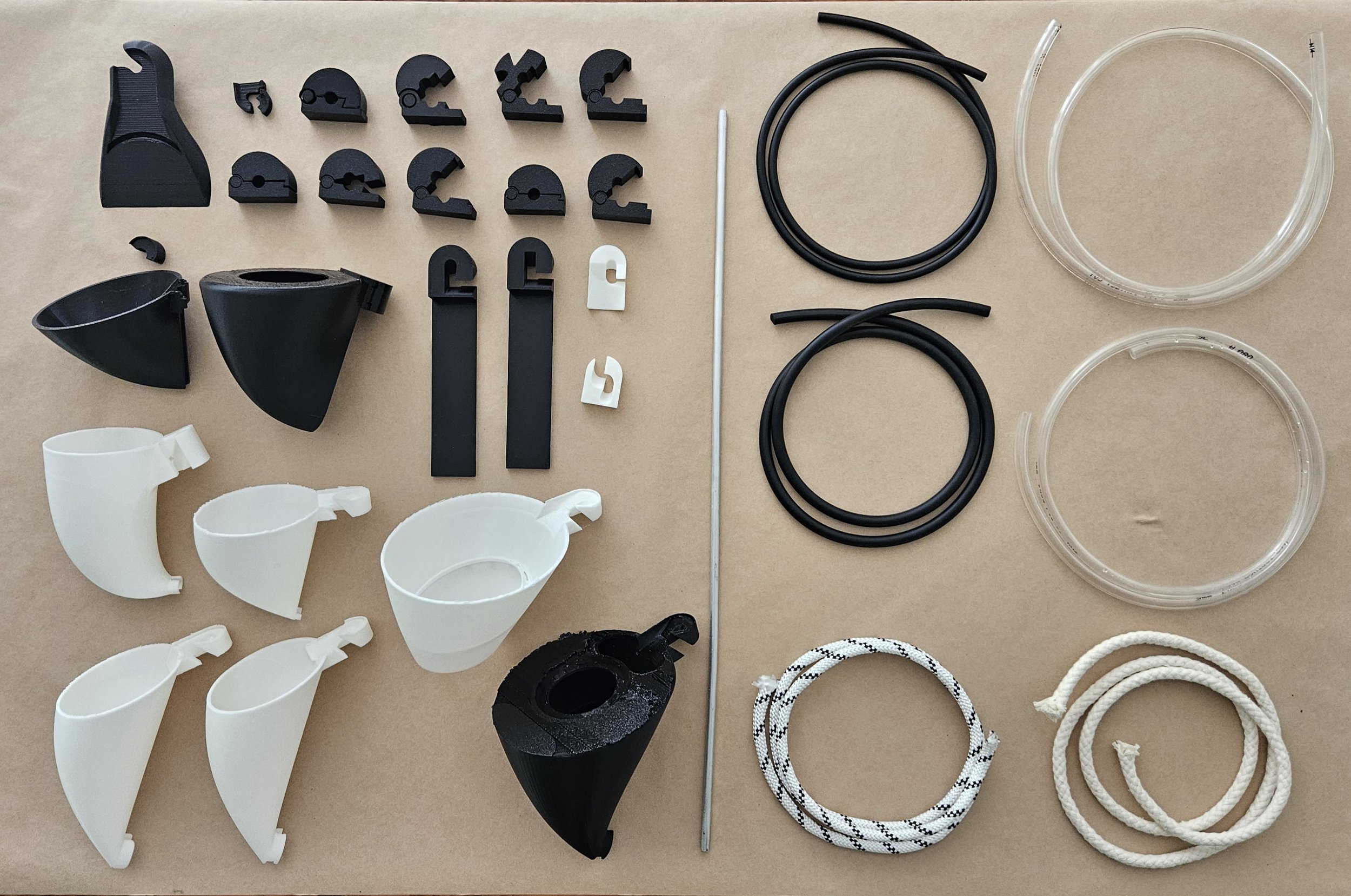
User and material testing in this project was essential to achieve an effective design. Exploring 3D printing as a manufacturing tool to create uniquely shaped attachments that are optimised for SLS printing. As well as exploring connections and tolerances between materials for optimised water flow. A range of wicking materials was explored for certain properties, like stiffness, flexibility, absorption and structure.
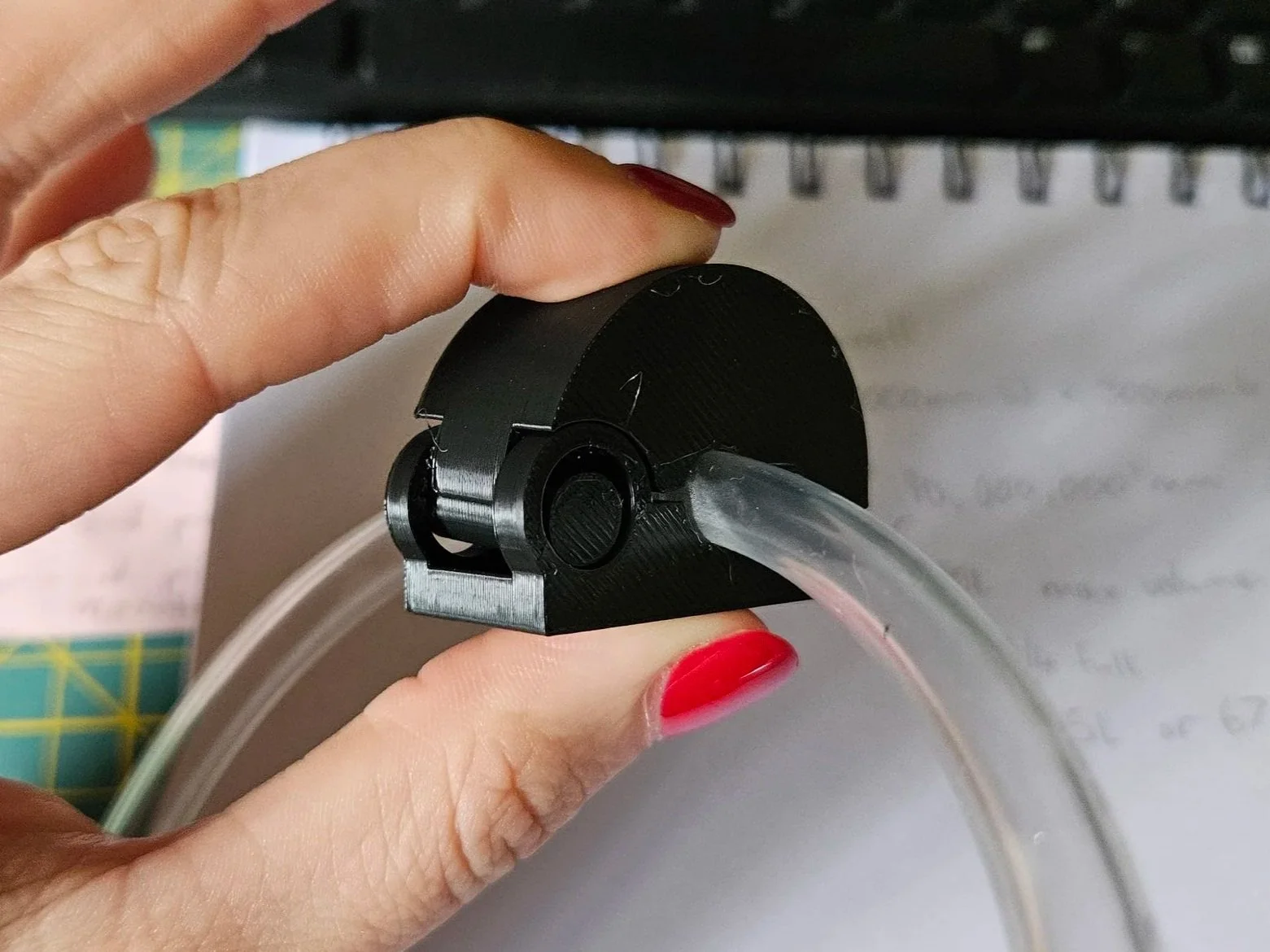
To create a tight and secure connection between pod and wicking, I had to explore a range of materials. Testing and evaluating the properties of certain materials like rubber, cotton rope, aluminum and vinyl pipe to assess the effectiveness. I experimented with flow rate and volume to perfect the transfer water through the system.
User Experience
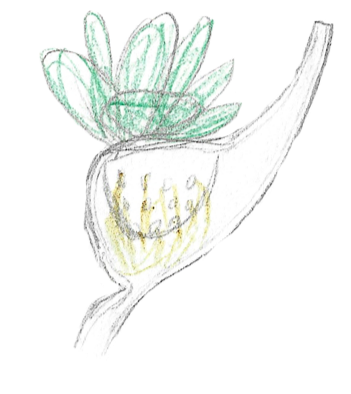
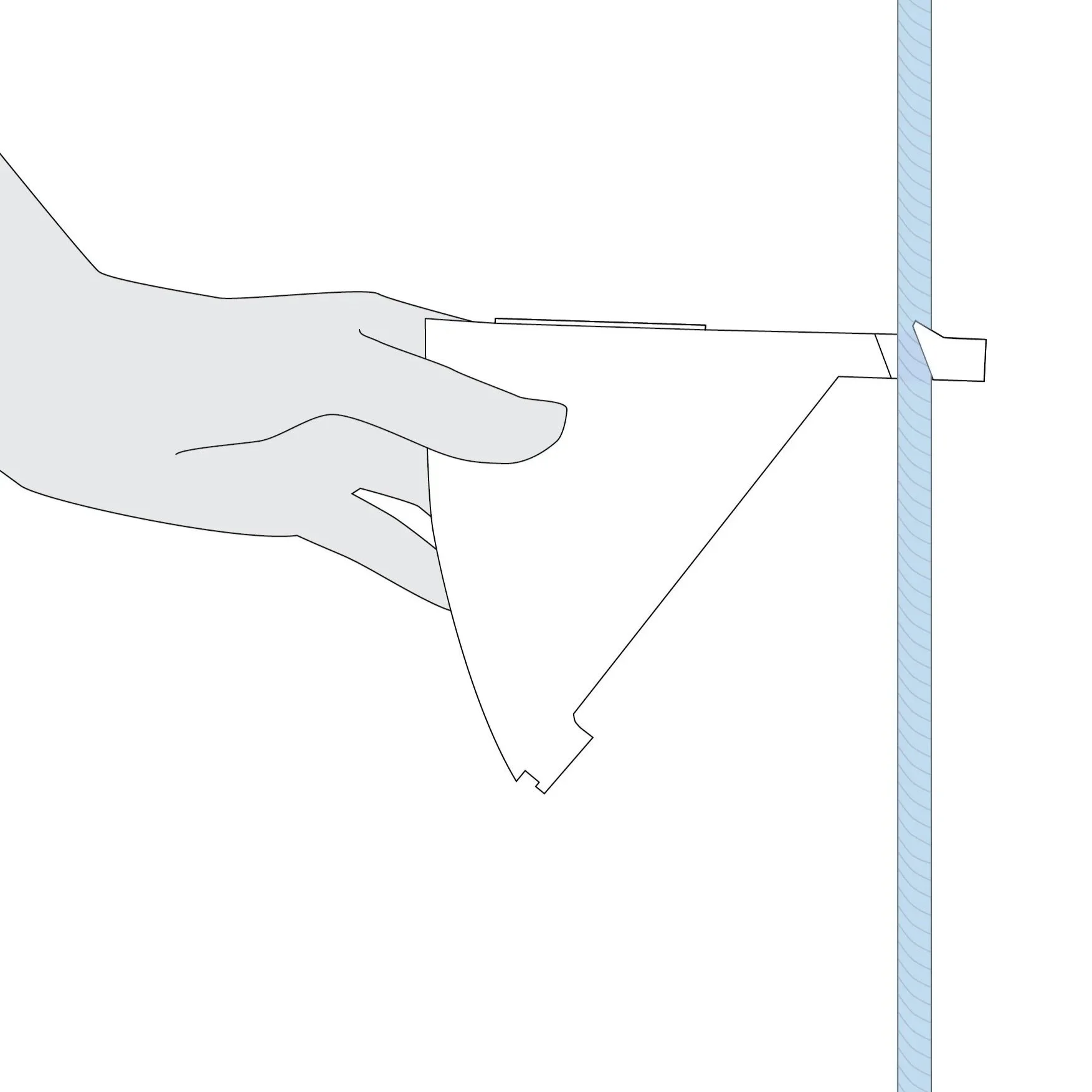
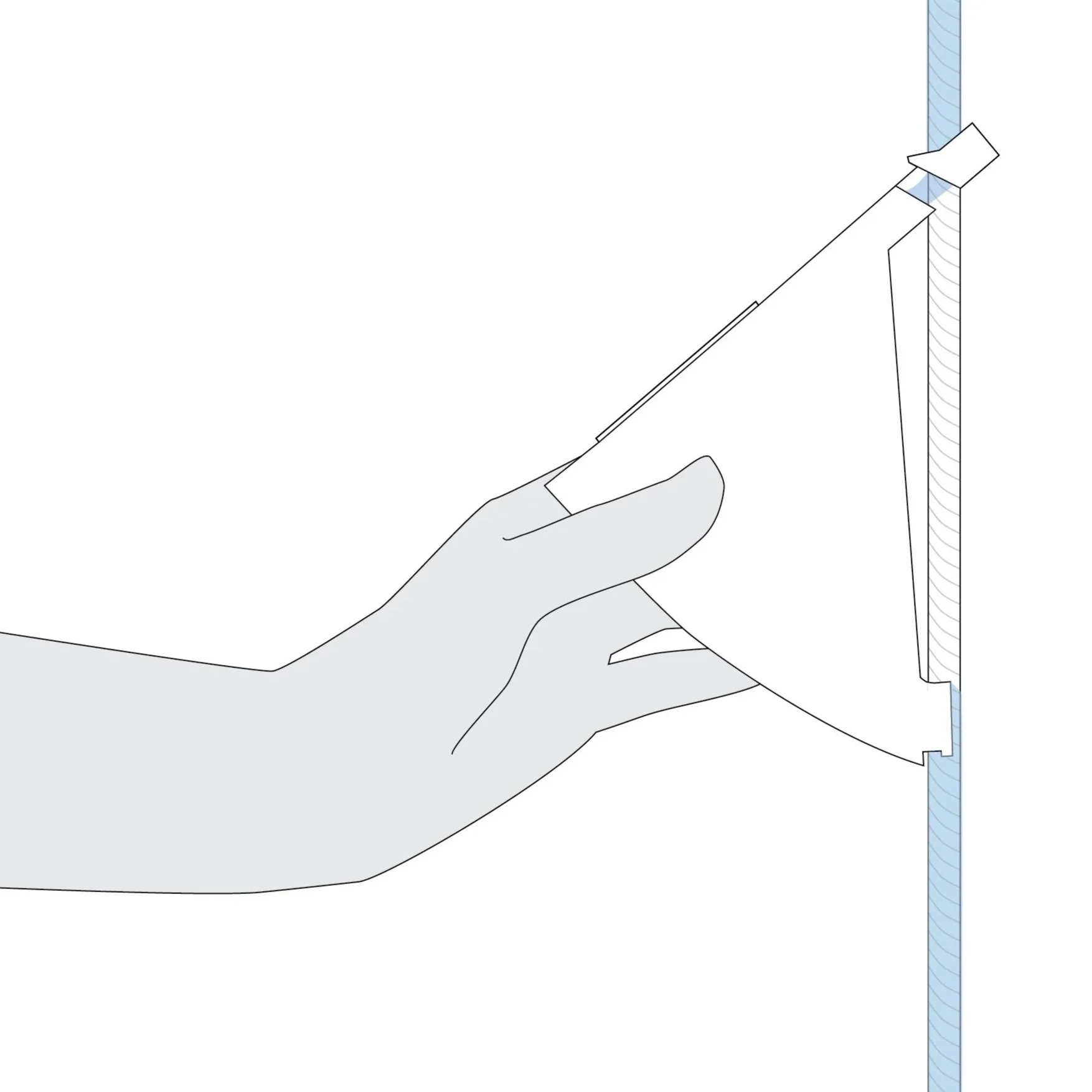
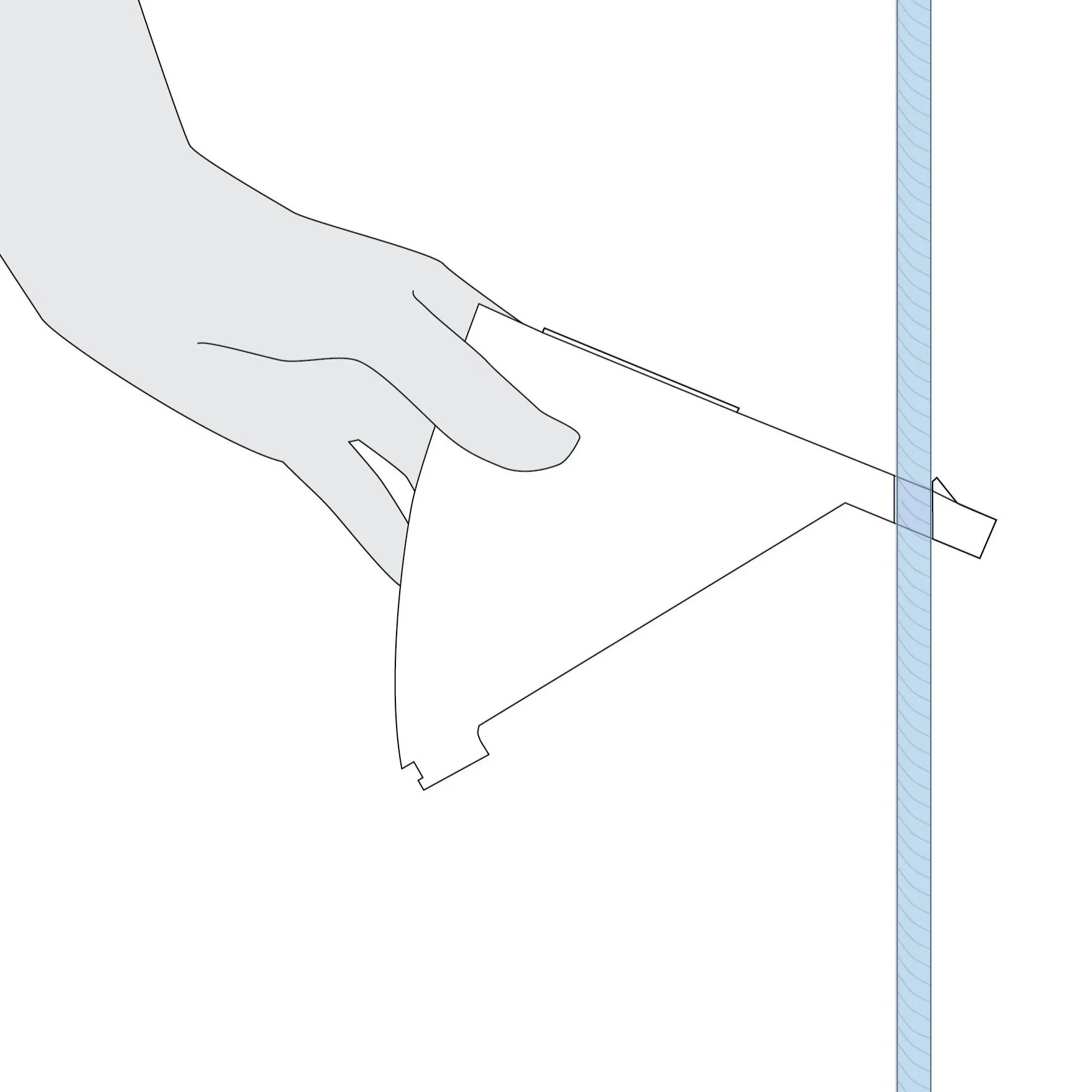
These pods are attached to the wicking rope with a one handed, two direction motion, effectively continuing flow from rope to pod and back to rope easily. The water flow is controlled by manual tightening and loosening of the wicking fittings at the top of system. The system is built on a lightweight injection molded plastic and extruded aluminum frame, that can be mounted onto a wall. The system uses electrical fittings that can be easily plugged into the wall and hoses for drainage and water replacement.
Process and Prototyping
Material Exploration
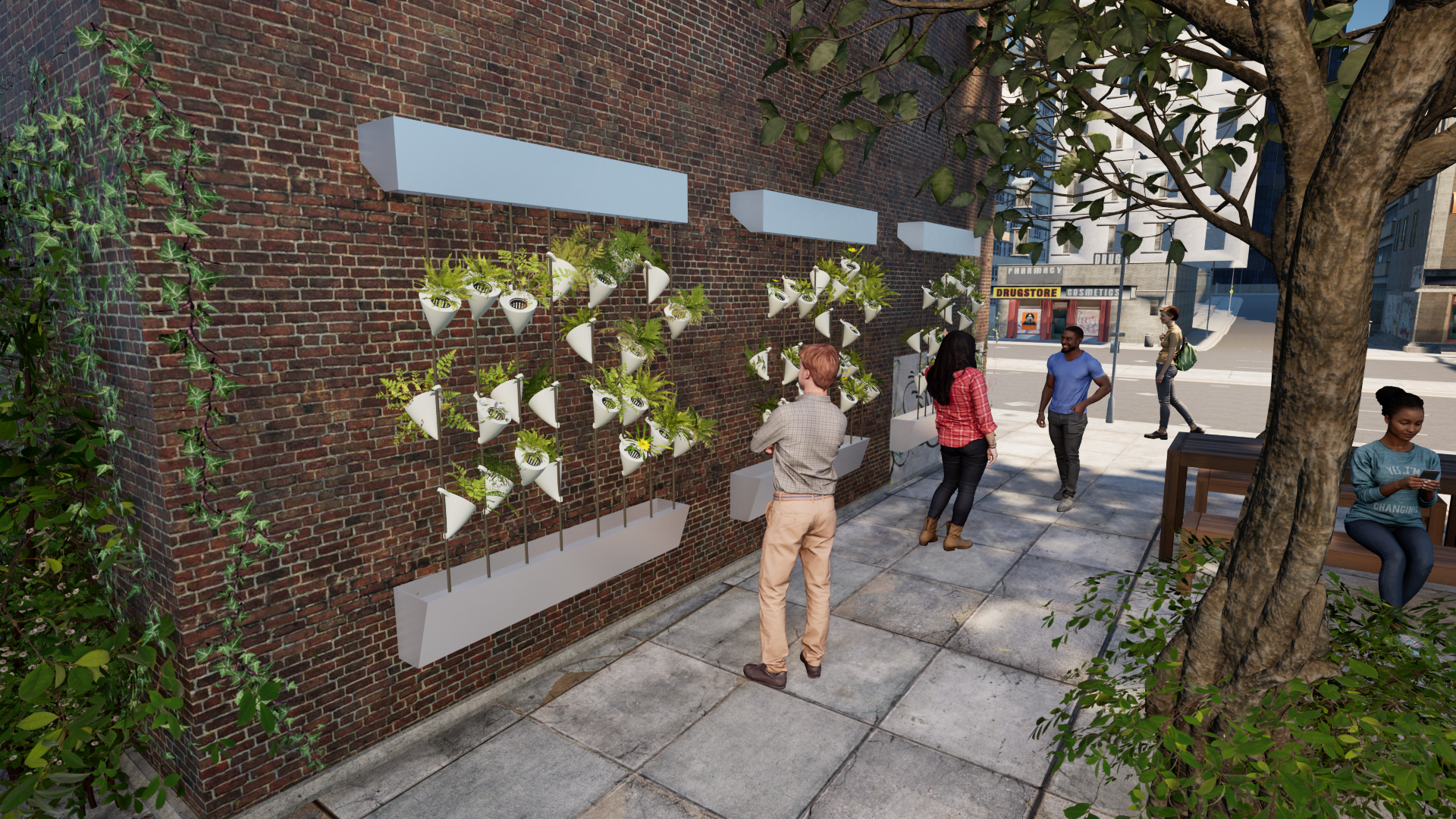
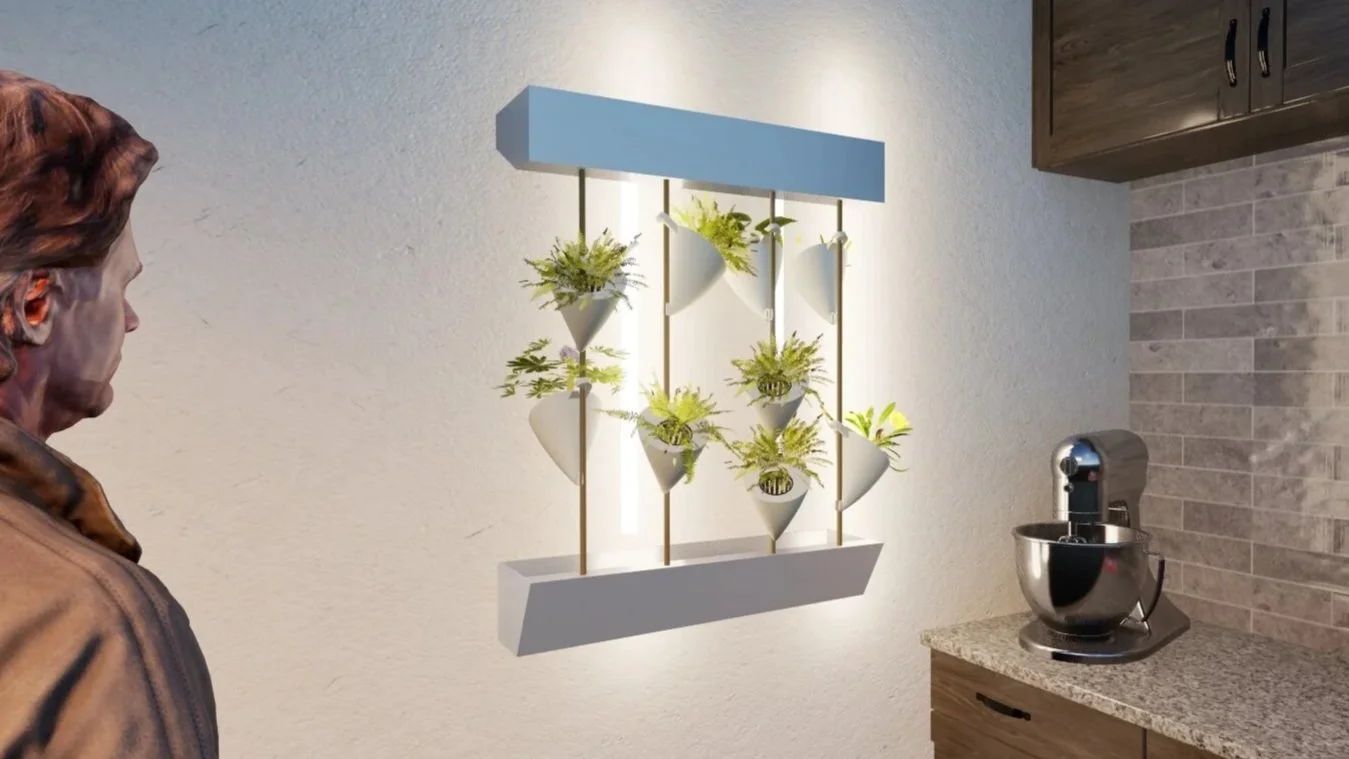
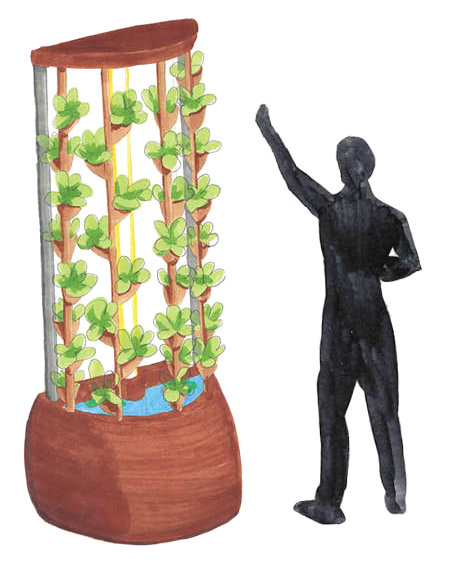
Original Mod’ponics design
The original Mod’ponics design was less accessible to consumers. It used a system that tapped into plumbing and electrical fittings within the house structure. It meant costly renovations which was largely inaccessible to renters or lower income communities.
The new design allows for a wider range of consumers to use the system.